I read a click-bait-headlined blog post [1] about LEDs suppressing the sleep hormone melatonin and it linked a study [2] that developed a measurement of by how much, called CPPR. I have a spectrometer and set out to calculate the CPPR for some of my lamps.
The study only applies to LEDs, but I measured three LEDs, a halogen incandescent and a CFL lamp. The results show the LED lamps have a higher CPPR than a halogen incandescent, for the same color temperature. So by that account, LEDs are worse for sleep.
Here are my results, a lower CPPR should have less impact on sleep:
| Lamp | 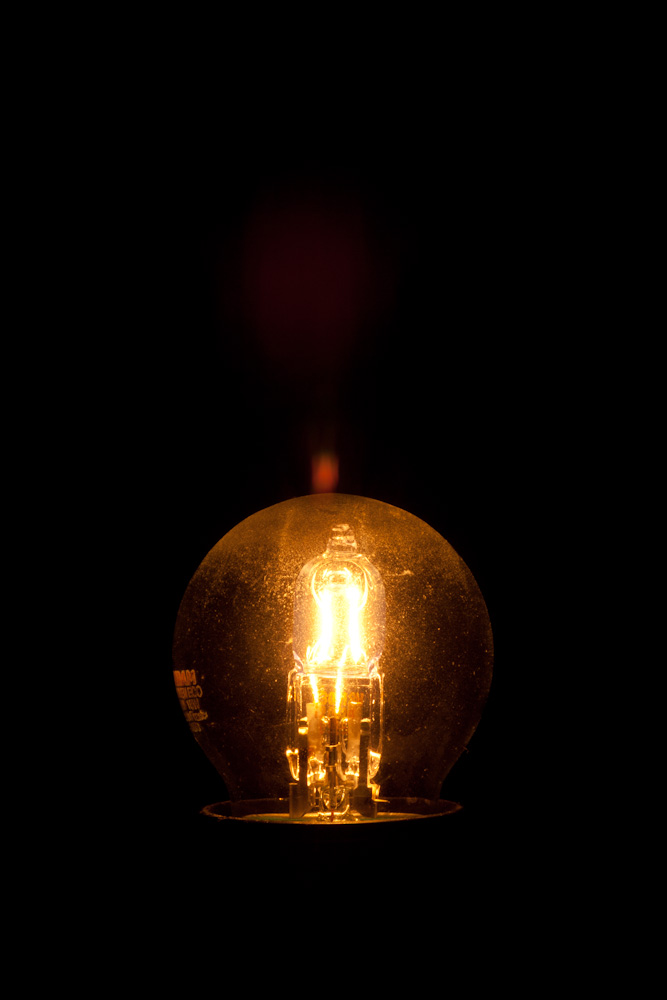 |
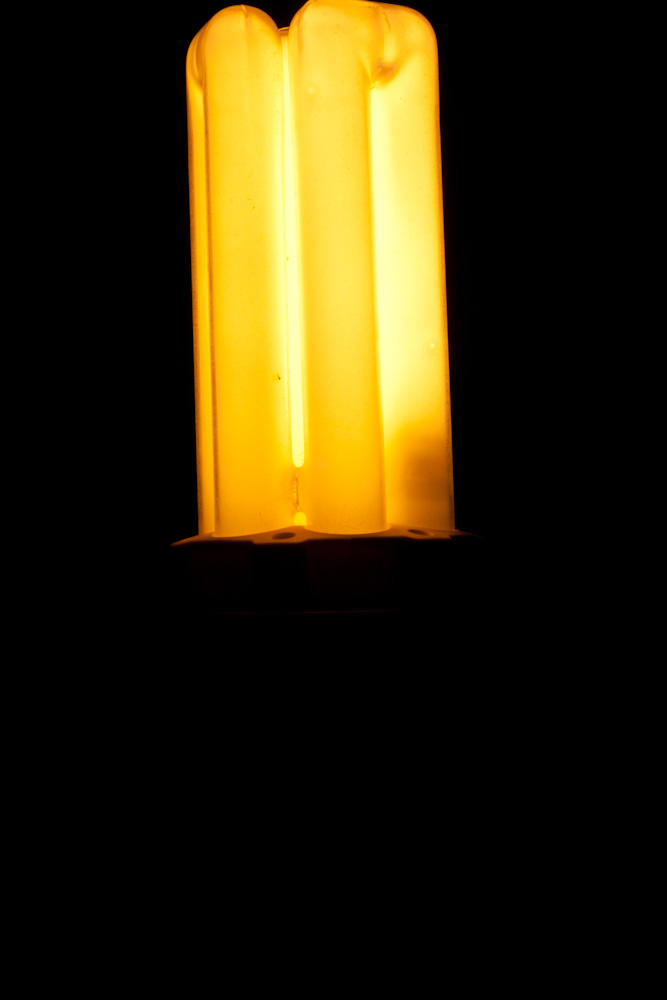 |
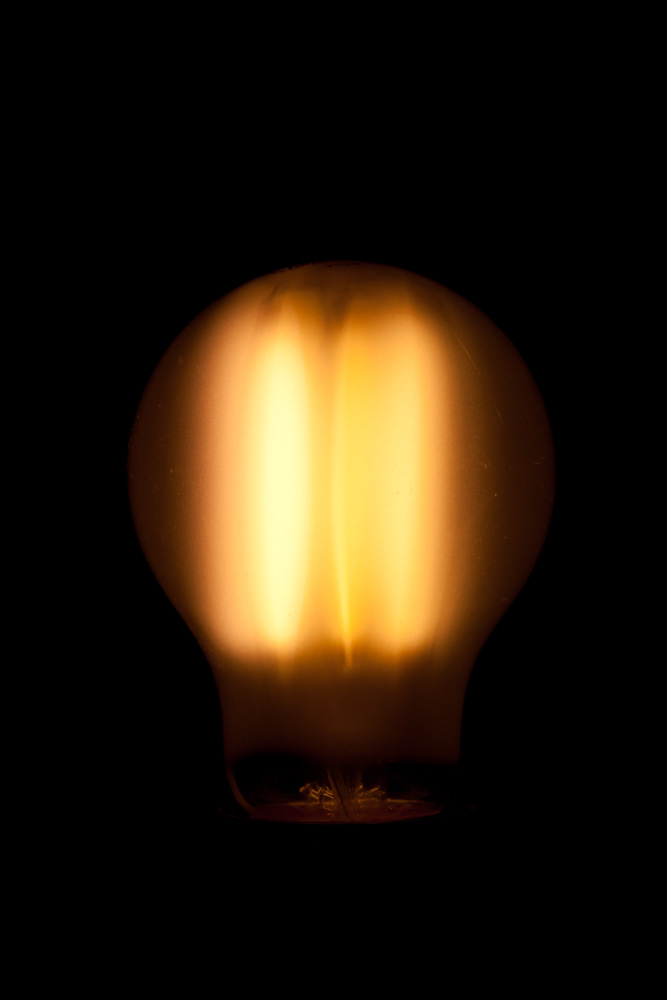 |
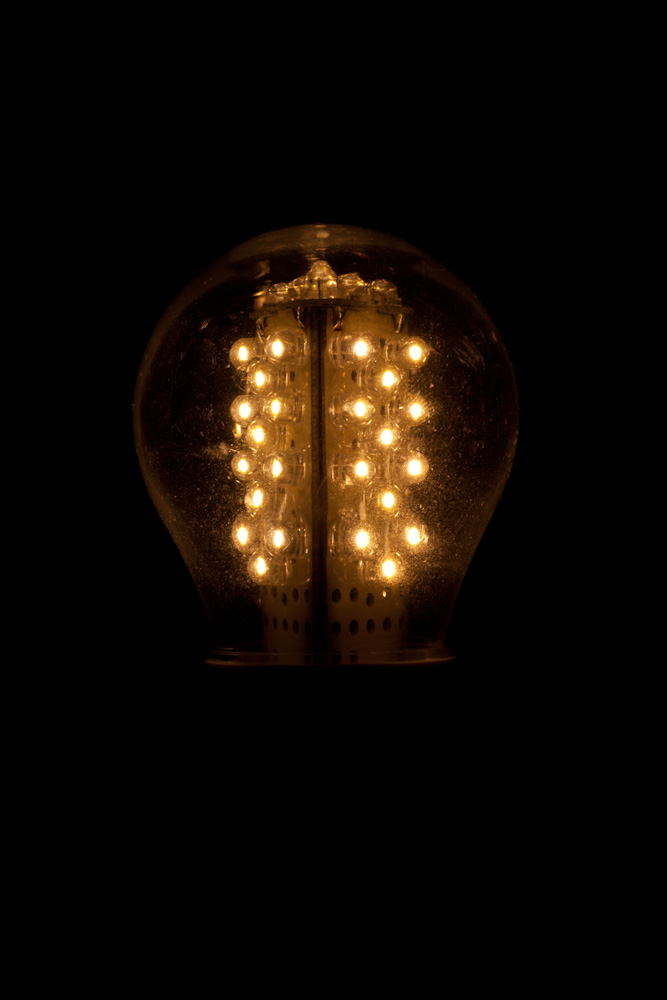 |
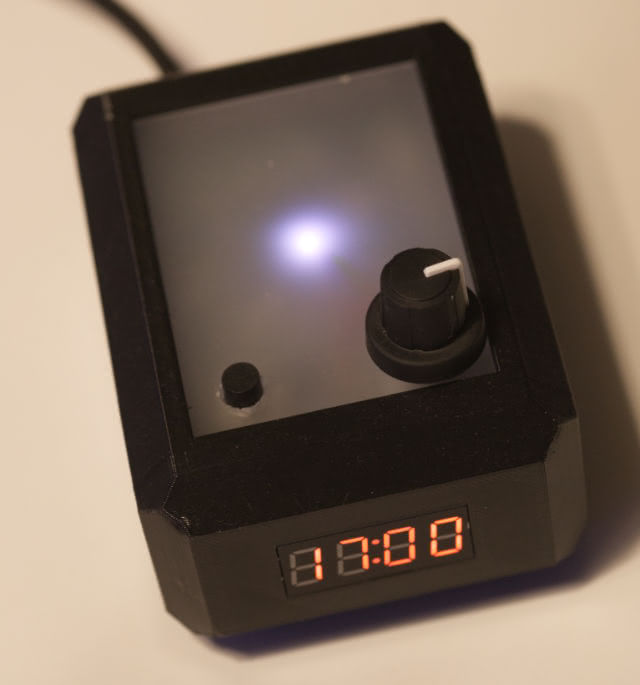 |
|---|---|---|---|---|---|
| CPPR | 0.17* | 0.14* | 0.23 | 0.21 | 0.55 |
| Spectrum |  |
 |
 |
 |
 |
| Type | Halogen | CFL | LED | LED | LED |
| CCT | 2700K | 2700K | 2700K | 2700K | 5600K |
| CRI | 98 | 81 | 96 | 68 | 95 |
* The CPPR measurement is only for LED lamps, not halogen or CFL lamps.
What is CPPR?
CPPR is short for Circadian Potency Photopic Ratio and is an estimate of how much a lamp suppresses the level of the sleep hormone melatonin, compared to other lamps shining equally bright.
The study [2] measured melatonin in the saliva for a group of 8 to 13 during a night in an office under 6 different LED lamps, at a brightness of 540lux. The authors used the data to create a measurement of how much a lamp affects melatonin levels, CPPR.
CPPR is calculated by adjusting the spectrum of a lamp by how bright it appears and adding up how much blue light the spectrum contains.
I think it is easier to show the process with images, than to explain all details using words.
Measure the color spectrum
I measured the color spectrum of each lamp using a Thorlabs CCS100 spectrometer [3], using factory calibration. Adjusting the maximum value for each lamp spectrum to be the same, I got the following spectra:
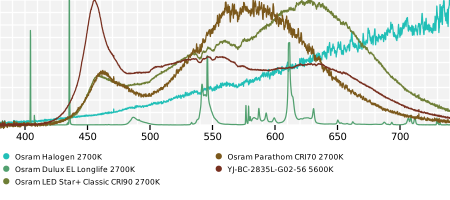
The halogen incandescent lamp has a spectrum almost identical to an ideal black body radiator [3] at 2700K. The CFL lamp has the spectral lines of mercury and phosphor coatings. The LED lamp spectra consists of a peak for a blue LED and phosphor layers for other colors.
Adjust to the same brightness
Comparing lamps of different brightness would probably show that the brightest has the most impact on sleep.
The graph above has scaled the spectrum of each lamp so the largest value is at the top of the graph. To compare the lamps we need to scale the spectrum so they have the same apparent brightness. This is done by weighting each spectrum with the 1931 CIE photopic luminosity function [5].
I got the following spectra when adjusting to the same brightness:
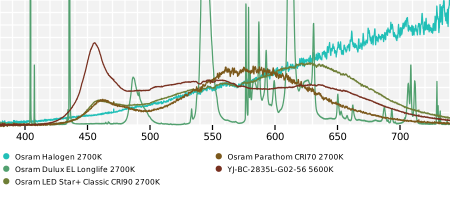
The CFL lamp has very high value peaks, so if the graph were to include them, the spectra of the other lamps would not show any details. Instead the graph scale is adjusted to fit the other lamps.
Circadian Potency
How much a lamp affects sleep, its Circadian Potency, is in [2] given by the function:
| e-(λ - 477)²/(2 × 33.82²) / (23.81 × √2π) | λ < 477 |
| e-(λ - 477)²/(2 × 13.8²) / (23.81 × √2π) | λ ≥ 477 |
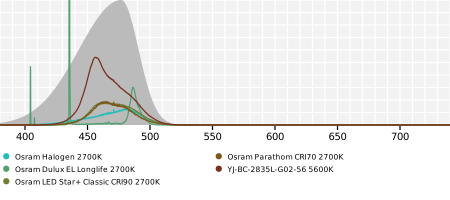
I find it easier to see what this means by plotting it in the same graph as the lamp spectra. I added it as a gray area:
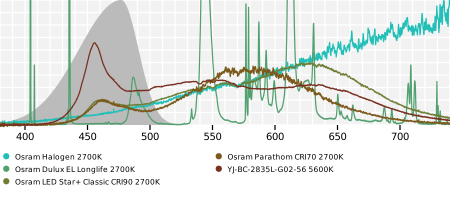
Adjusting each spectrum by the Circadian Potency:
CPPR
The CPPR is then calculated by the area under each curve.
| Lamp | CPPR |
|---|---|
| Osram Halogen | 0.17* |
| Osram Dulux EL Longlife | 0.14* |
| Osram LED Star+ Classic | 0.23 |
| Osram Parathom CL | 0.21 |
| Yujileds YJ-BC-2835L-G02-56 | 0.55 |
Reflections
The result aligns with my experience of how different lamps affect my sleep. It suggests the biggest factor is lamp brightness and color temperature, not the type of lamp. I think that because he study [2] that created the CPPR measurement tested a limited number of people and only for the brightness of 540 lux, it is hard to know how general the results are.
The biggest surprise for me is that CRI for the LEDs did not appear to have any positive effect on the result.
Similar metrics
I searched for other similar measurements and found a summary at [6]. It appears that there are several similar ways to measure how lamps affect sleep. But so far I haven’t spent that much time reading about them.
References
- How Your LED Lights and Screens are Killing You, Syonyk's Project Blog. https://www.sevarg.net/2023/02/11/how-your-leds-are-killing-you/
- Moore-Ede M, Heitmann A, Guttkuhn R. Circadian Potency Spectrum with Extended Exposure to Polychromatic White LED Light under Workplace Conditions, Journal of Biological Rhythms. 2020;35(4):405-415. doi:10.1177/0748730420923164. https://journals.sagepub.com/doi/full/10.1177/0748730420923164
- CCS100 Compact Spectrometer, 350 - 700nm., Thorlabs. https://www.thorlabs.de/thorproduct.cfm?partnumber=CCS100
- Black-body radiation, Wikipedia. https://en.wikipedia.org/wiki/Black-body_radiation
- Photopic vision, Wikipedia. https://en.wikipedia.org/wiki/Photopic_vision
- M/P ratios – Can we agree on how to calculate them?, Naomi J. Miller, Anne (Lia) Irvin. https://www.ies.org/research/fires/m-p-ratios-can-we-agree-on-how-to-calculate-them/
